
Torres Strait Clam Shell Amulet ex Nelly Van den Abbeele,
Torres Strait Clam Shell Amulet ex Nelly Van den Abbeele,
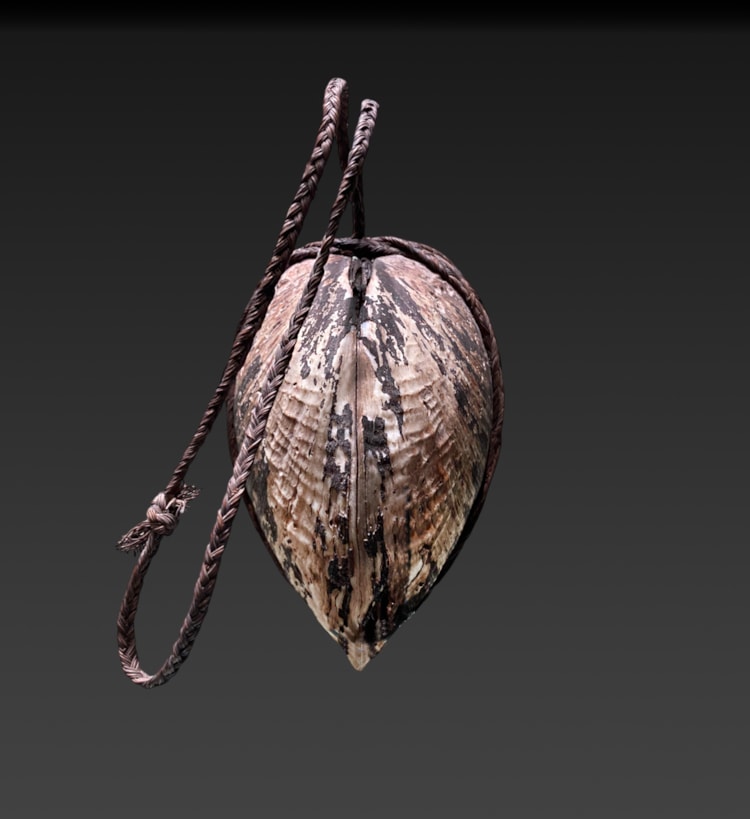
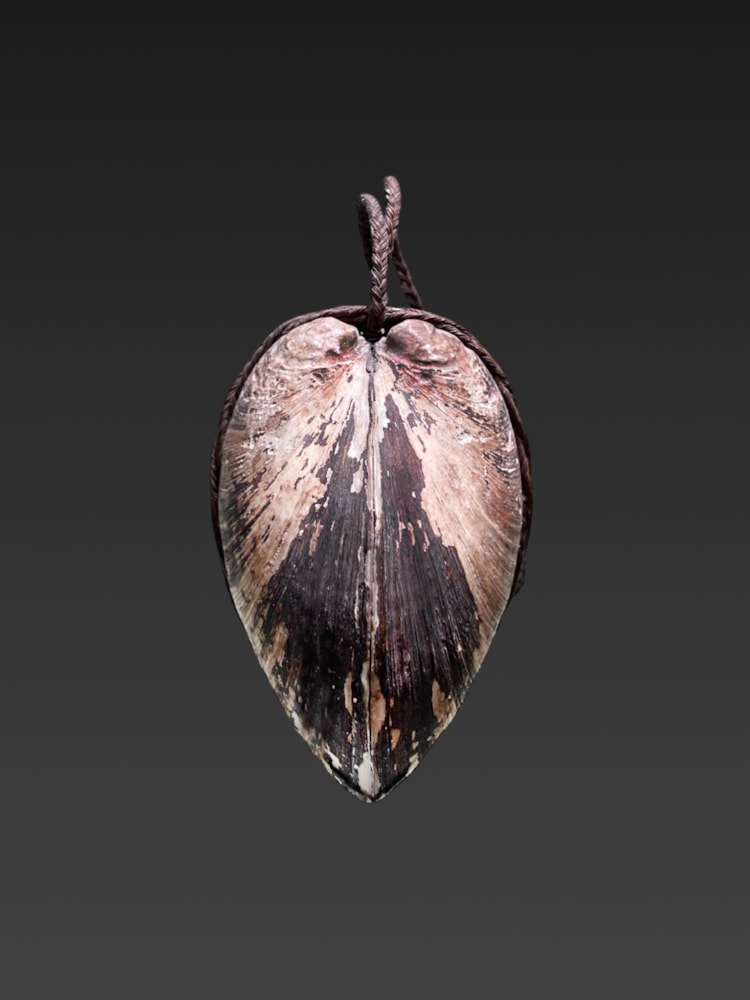
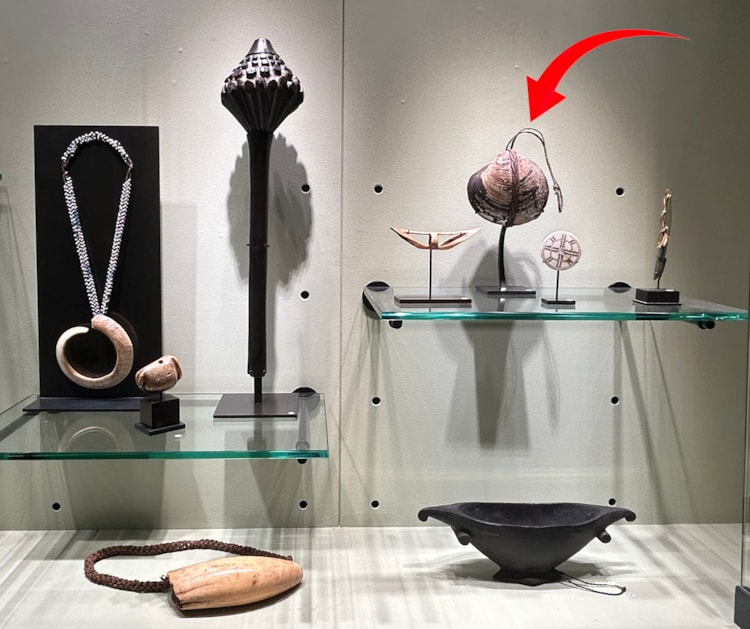
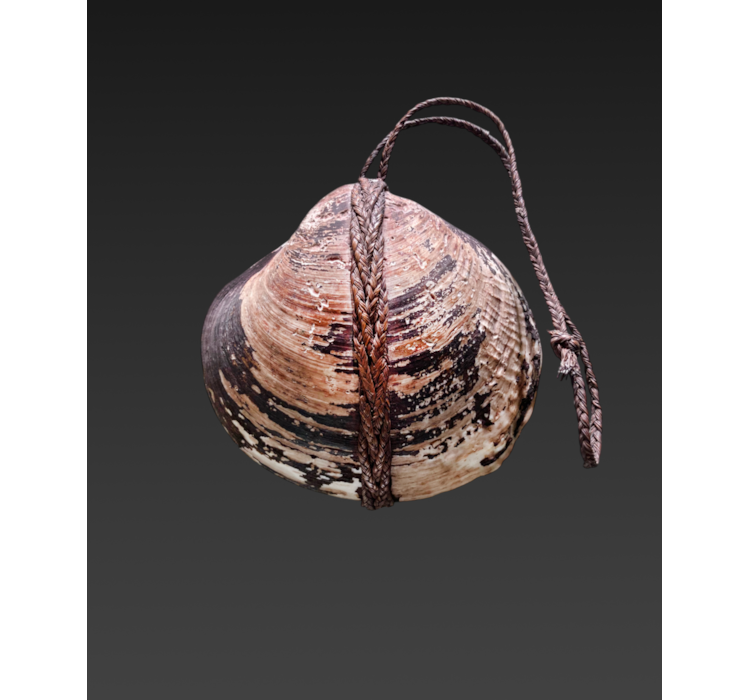
A large, complete, bivalve clamshell in its natural condition which is wrapped and tied closed with a braided coconut fiber cord and suspension loop. The binding is remarkably tight and does not allow for its removal nor for the shell to open. Further investigation has proven the shell to be empty and completely clean inside with no animal remains.
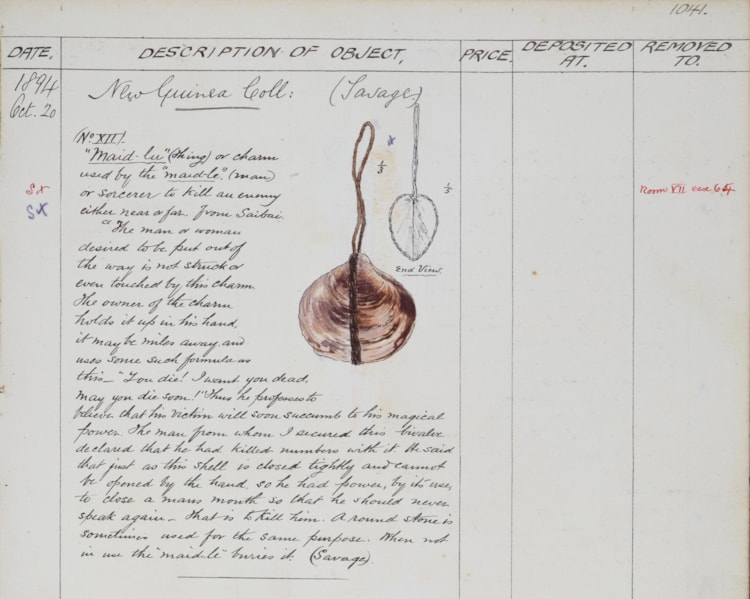
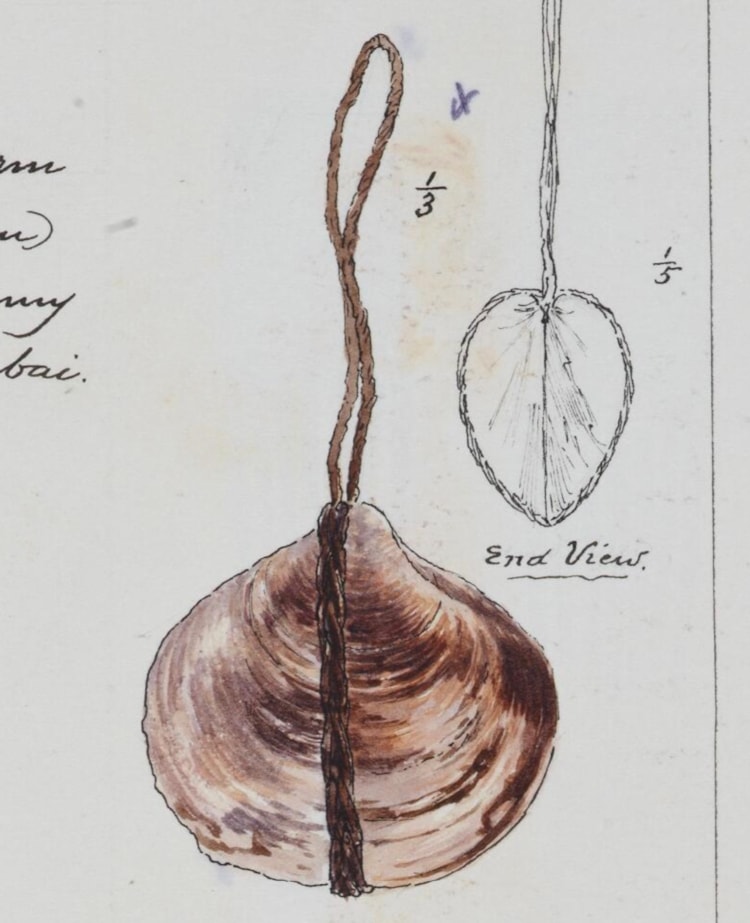
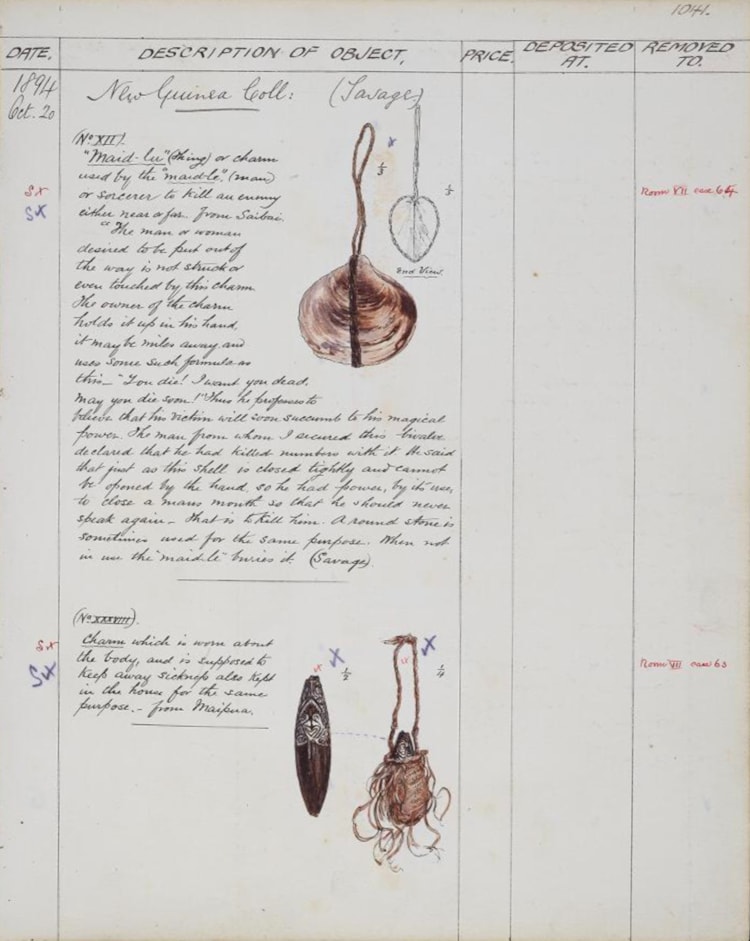
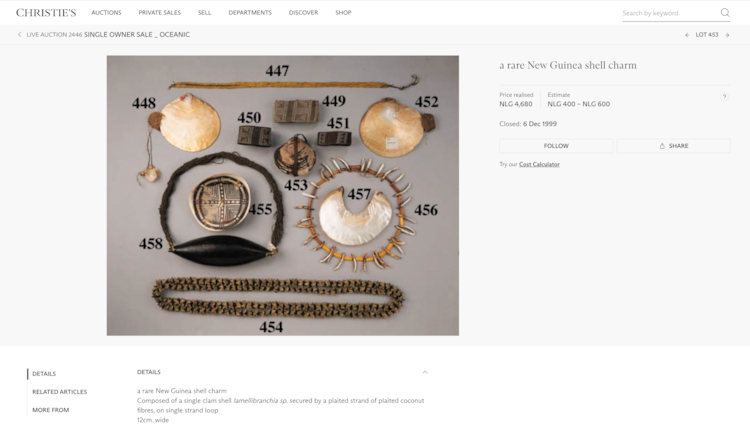
This clamshell was previously found to be of unknown use, and unrecorded as an object type, and it could only be surmised that it had some form of amuletic function. I posited at the time of purchase that it might be the shell of an endemic clam called "Kai buli" harvested mainly in the Ba River on Vitu Levu in Fiji and thus a charm of Fijian origin in part based on the coconut fiber binding which appears to be of Fijian type. When offered at Christie’s, Amsterdam in the Van Den Abbeele auction in 1999 where it was acquired by Galerie Meyer, the shell was thought to be full of some sort of fetish or amuletic substance and was provenanced to “New Guinea” but without any further information being provided. Through the serendipitous perusal of the catalogues of the Pitt Rivers collection by my colleagues Eugene Manning and Jim Poncelet it has now been discovered fully described and illustrated in the Pitt Rivers inventory book being field collected by Reverend E.B. Savage. Savage before 1896. This actual shell with fiber loop is illustrated in watercolor and fully described on page 301 of the inventory catalogue of the Pitt Rivers archaeological and anthropological collections, 1891-1896 (27 June 1891 - 18 May 1896) (MS Add.9455/3) :
The entry in the Pitt Rivers inventory catalogue describes it thus :
(N° XII) « Maid-Lu » (thing) or charm used by the « maid-lu », (man) or sorcerer to kill an enemy either near or far. From Saibai. « The man or woman desired to be put out the way is not struck or even touched by this charm. The owner of the charm holds it up in his hand, it may be miles away, and uses some such formula as this - «You die ! I want you dead, may you die soon ! » Thus he professes to believe that his victim will soon succumb to his magical powers. The man from whom I secured this bivalve declared that he had killed numbers with it. He said that just as this shell is closed tightly and cannot be opened by the hand, so he had power, by its use, to close a man’s mouth so that he should never speak again - This is to kill him. Around stone is sometimes used for the same purpose. When not in use the « maid-lu » buries it. (Savage)”
Saibai Island, Torres Straits, PNG, Melanesia.
Shell of the mangrove clam or mud clam (genus Geloina*) and coconut fiber rope.
19th century or earlier.
11 x 12 x 7.3 cm.
Provenance
- Collected by L.M.S. Rev. Edwin Bentley Savage (1854-1921), The Square, Ringwood, an English missionary who retired to Ringwood, not far from the Pitt Rivers home at Rushmore.
- Lt. General Augustus Pitt Rivers, acquired as part of 224 pieces collected in New Guinea by Rev. Savage on 20 October 1894 for the sum of £45 and displayed in Room VII, case 64, llustrated & described p. 1041.
- Collection Nelly Van den Abbeele (1927-2008), Brussels.
- Christie’s, Amsterdam, 6/12/1999, No. 453, p. 17 (correctly described as being from New Guinea).
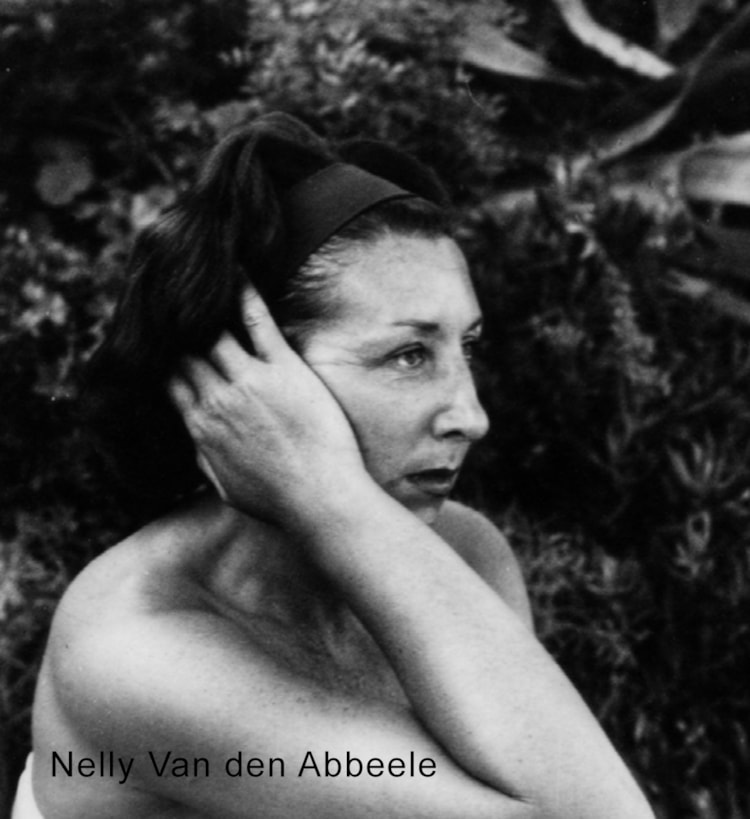
Nelly Victorine van den Abbeele born Delfosse (23 July 1927 - 31 May 2008).
The name of Nelly Van den Abbeele will always remain legendary. This insatiable collector never ceased to encourage the development of Belgian jewellery in the post-war period and most of her jewels were direct commissions. She was also a remarkable, even relentless collector, bringing together collections of objects from distant cultures such as Oceania, Africa and the Americas. Nelly van den Abbeerle took a particular interest in hats, headdresses and headgear in tribal art, publishing together with Daniel Biebuyck a milestone book in the history of tribal art studies in 1984.
Edwin Bentley SAVAGE, was born 14 November 1854, and died in 1921 (no precise date), in Ringwood, Hampshire. His father was a boot and shoemaker. Ordained 8 July 1885 he entered the order of the London Missionary Society. He was sent to the Pacific and arrived in New Guinea in 1886, stationed on Murray (Mer) Island and Toaripi in the Torres Strait and remained there until 1891. Savage was given the job of rebuilding the LMS mission of the “Western Branch” in 1886 which was in total collapse following the mismanagement and departure by and of his predecessor Rev. McFarlane. Savages attempts to reestablish the mission were severely subsequently criticized by Rev. Archibald Hunt, an officious young missionary, who reported adversely on Savage. The LMS directors accepted Hunt’s assessment unquestioningly and stung by their criticisms, Savage resigned and returned to England. He took up residency at The Square, Ringwood, not far from General Pitt Rivers home at Rushmore. On 20 October 1894 he offered to and sold for the sum of £45 a complete collection of 224 objects which he listed in his letter of 6 May 1895 and which mentions in detail the present clamshell charm.
Literature:
Daniel Biebuyck and Nelly van den Abbeele, The Power of Headdresses : A Cross-cultural Study of Forms and Functions. Tendi & Leopold III Foundation, Brussels, 1984
https://cudl.lib.cam.ac.uk/mirador/MS-ADD-09455-00003/0